
Exploring the psychological triggers behind casino gambling decisions
The Allure of Risk and Reward
The thrill of risk and reward is a primary psychological trigger that influences gambling decisions in casinos. The potential for winning large sums of money creates an adrenaline rush that can be incredibly enticing. This rush, often referred to as “the gambler’s high,” leads players to make impulsive decisions that they might not consider in other scenarios. For instance, many individuals are drawn to online casinos where the immediate gratification of winning, combined with the thrill of uncertainty, makes it difficult for gamblers to resist placing their bets.

Moreover, the concept of loss aversion plays a significant role in how decisions are made. Gamblers are often more motivated to avoid losses than to achieve gains. This psychological principle means that the fear of losing can be a powerful motivator, driving players to continue betting in hopes of recovering previous losses. Such behavior can spiral into a cycle of increased gambling, where individuals chase their losses rather than walking away.
Social Influence and Group Dynamics
Another critical factor in gambling decisions is the influence of social interactions. Casino environments are often designed to facilitate social engagement, with group settings encouraging individuals to gamble together. This social aspect can amplify excitement and create a sense of belonging, leading to riskier behavior. Observing others winning or losing can impact an individual’s perception of the odds, affecting their willingness to participate.
Additionally, the presence of friends or acquaintances can lead to herd mentality, where individuals make decisions based on the actions of others rather than their judgment. This dynamic can create an environment where people feel more compelled to gamble, driven by the collective energy and excitement of the group. The social pressure to fit in or to share an experience can push individuals toward decisions they might normally avoid when alone.
The Role of Environment and Design
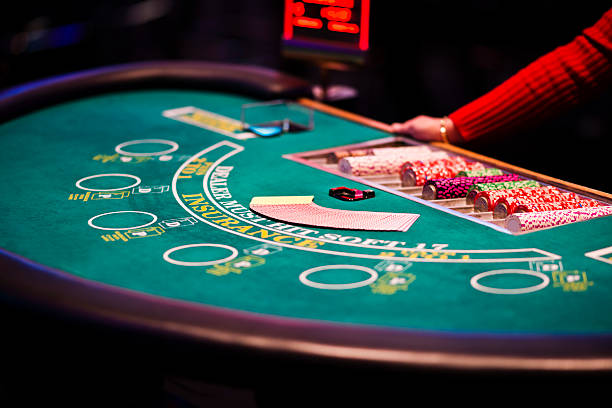
The design and atmosphere of a casino play a crucial role in influencing gambling behavior. From the vibrant colors and enticing sounds to the strategically placed machines and tables, the environment is crafted to immerse players in a world of temptation. Casinos often utilize sensory stimuli to evoke positive emotions and encourage longer playtime, making it difficult for gamblers to recognize how much time and money they are spending.
Moreover, the lack of clocks and windows in many casinos contributes to a distorted sense of time, allowing players to lose track of their gambling duration. This manipulation of the environment can lead to prolonged gambling sessions, as players remain unaware of how much they have already wagered. Understanding these design elements can help individuals become more aware of their surroundings and make more informed decisions when gambling.
Emotional State and Decision-Making
An individual’s emotional state significantly impacts their gambling choices. People often gamble to escape negative emotions or to enhance positive ones. For instance, individuals experiencing stress, anxiety, or boredom may turn to gambling as a means of relief, seeking the excitement that comes with placing a bet. Conversely, those in a good mood may be more likely to take risks, believing that their positive emotions will lead to favorable outcomes.
Additionally, the concept of “mood congruence” suggests that the emotions one feels can influence the likelihood of gambling. If a player is feeling lucky or confident, they may be more inclined to make bold bets. Conversely, negative emotions can lead to impulsive decisions in an attempt to recapture a sense of control or excitement. Recognizing the interplay between emotions and decision-making can empower individuals to make more rational choices while gambling.
Understanding and Navigating Casino Choices
As the exploration of psychological triggers shows, casino gambling decisions are influenced by a myriad of factors, including risk, social dynamics, environmental design, and emotional states. Recognizing these triggers is essential for making informed choices and maintaining control over one’s gambling behavior. By understanding the psychological aspects of gambling, individuals can better navigate the complexities of casino environments.
For those looking to deepen their understanding of gambling psychology or seeking resources to manage their gambling habits, various platforms provide insights and support. These resources are designed to help individuals make conscious choices and promote healthier gambling practices. Prioritizing awareness and education is key to enjoying the thrill of gambling responsibly.