
Myths debunked The truth behind popular casino beliefs
The Gambler’s Fallacy
One of the most pervasive myths in gambling is the gambler’s fallacy, which suggests that previous outcomes influence future results. For instance, if a roulette wheel lands on red multiple times in a row, some players may believe that black is “due” to occur. This misconception is rooted in a misunderstanding of probability; each spin of the wheel is independent and unaffected by prior results. Casinos thrive on this myth, as it drives players to make irrational bets based on a false sense of predictability. If you’re looking for insights, our guide covers the best sports betting sites that offer a fresh perspective on betting strategies.
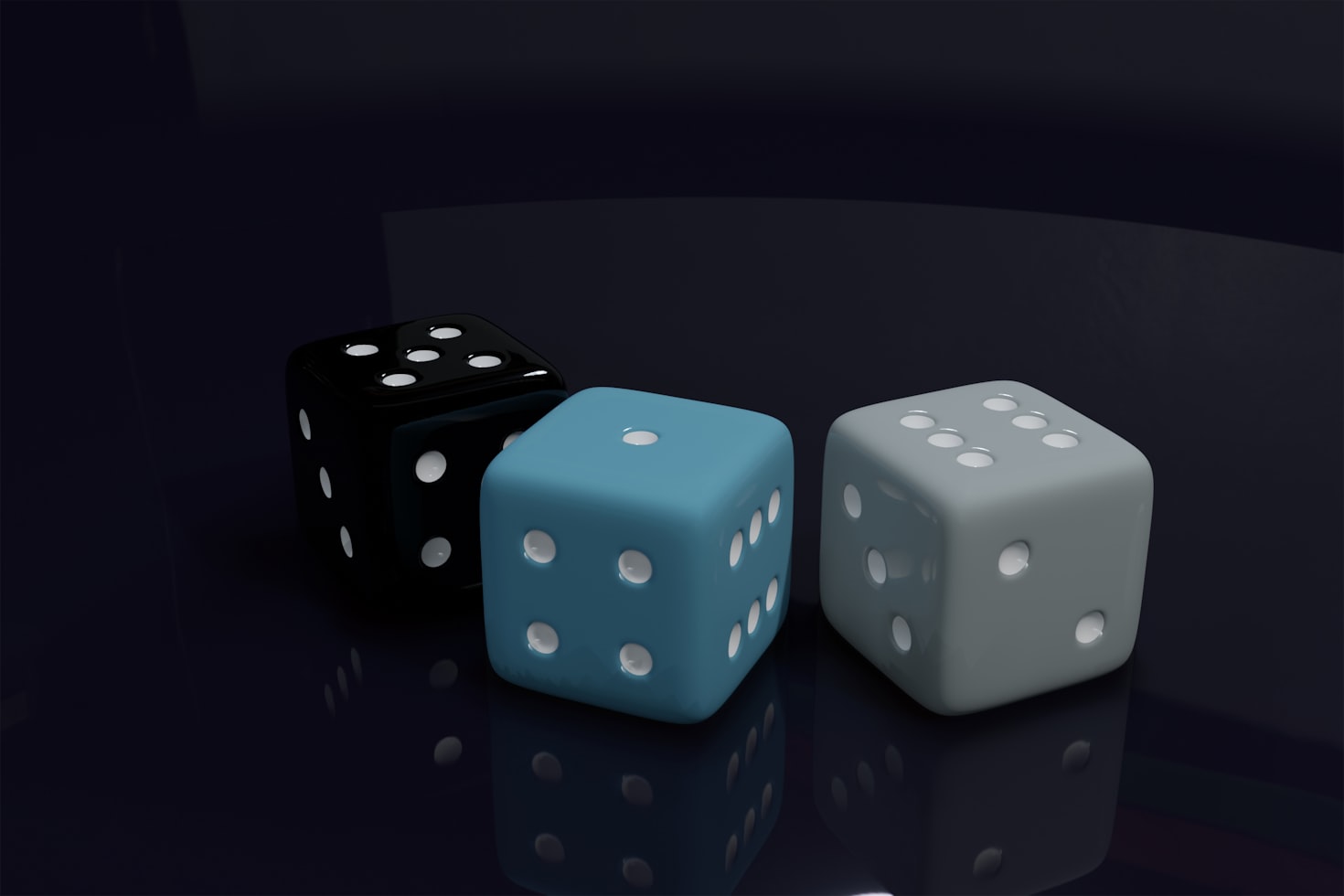
The truth is that games of chance are designed so that each outcome is random, meaning that there’s no guaranteed way to predict what will happen next. The casino’s edge remains constant regardless of previous spins or rolls. Understanding this concept can help players make more informed decisions, potentially leading to better management of their gaming experience and bankroll.
Debunking the gambler’s fallacy is essential for anyone looking to develop a rational approach to gambling. Awareness of the independent nature of each event can save players from making emotional bets driven by the desire to “even out” their losses. Ultimately, recognizing the randomness of games like roulette or slots helps players embrace the game for what it is: a form of entertainment rather than a reliable way to make money.
Hot and Cold Streaks
Many casino enthusiasts believe in the concept of hot and cold streaks, where certain machines or tables are perceived as being “on fire” or “due” for a win. This notion leads gamblers to choose specific machines that they believe have recently paid out, assuming they will continue to do so. However, much like the gambler’s fallacy, this belief misinterprets the nature of random number generators (RNGs) that power slot machines and other electronic gaming devices.
In reality, RNGs ensure that each outcome is entirely independent, rendering any previous performance irrelevant to future results. The notion of a machine being “hot” is merely a psychological phenomenon, amplified by anecdotal evidence from fellow players. Casinos often find that the more people crowd around a particular machine, the more they are likely to keep playing, thus fueling this myth and driving additional revenue.
The House Always Wins
The phrase “the house always wins” is often tossed around to imply that players are doomed to lose in the long run. While it’s true that the house has an advantage in most games, this statement oversimplifies the dynamics of gambling. Players can and do win, sometimes significantly, and understanding how to minimize losses and maximize wins is crucial for a successful gaming experience.
Each game has its own odds and strategies that players can employ to improve their chances. For example, in blackjack, players can use basic strategy to make optimal decisions, which can significantly reduce the house edge. Similarly, skilled poker players can leverage their understanding of the game to win against less experienced opponents. By studying the games and applying strategic thinking, players can tilt the odds more in their favor than the traditional saying suggests.
While the casino does maintain a statistical advantage, it’s also important to recognize that luck and skill play roles in gaming outcomes. Experienced players often develop strategies and techniques that allow them to win more frequently than casual gamblers. Understanding the games, enhancing skills, and employing sound bankroll management can turn the odds in a player’s favor, at least in the short term, making the journey much more rewarding.
Cocktail Waitresses and Free Drinks
There’s a common belief that casinos offer free drinks to keep players at the tables, and while this is true to an extent, the reality is more complex. Free drinks serve as a marketing tactic designed to entice gamblers to spend more time—and money—within the casino. By providing complimentary beverages, casinos encourage players to remain engaged with their games, thereby increasing the likelihood of additional bets.
However, it’s crucial to note that receiving free drinks often comes with a catch. Players are generally expected to continue gambling and may find themselves drinking more than they initially intended, which can lead to poor decision-making. Alcohol impairs judgment and may result in players placing higher bets or gambling recklessly. It’s essential for players to remain aware of their consumption and set limits to ensure they are enjoying their experience responsibly.
Understanding the dual nature of complimentary drinks can help gamblers maintain a balance between enjoyment and responsibility. A conscious approach to alcohol consumption allows players to make better decisions, ensuring that their gambling remains an enjoyable pastime rather than a reckless venture. Thus, while free drinks are a fun perk, they should be viewed with caution and moderation.
Exploring Casino Architecture and Design
The design and architecture of casinos play a significant role in shaping the overall gaming experience. Many people believe that the layout is simply a matter of aesthetics, but in reality, it is meticulously planned to influence player behavior and enhance the gambling experience. From the strategically placed gaming tables to the alluring colors and lights, everything is designed to captivate players and keep them engaged.
Casinos often employ a labyrinthine layout that encourages exploration. By creating an environment where players feel disoriented or immersed, casinos can increase the amount of time spent on the gaming floor. This design approach utilizes sensory cues such as lighting and sounds to create an atmosphere that feels both exciting and inviting. As a result, players may overlook the passage of time and become more willing to place bets.
In essence, the architecture of a casino is as much about psychology as it is about visual appeal. Understanding these design elements can empower players to navigate casinos more effectively and maintain a clear focus on their gaming strategies. By recognizing the intent behind the design, players can better manage their time and finances, ensuring that they leave the casino having had a fulfilling experience, rather than simply being a part of the grand design.