

The Allure of Gambling: Understanding Casino Attraction
Casinos have an enchanting appeal that draws millions of people from all walks of life. The combination of bright lights, captivating sounds, and the thrill of risk creates an environment ripe for entertainment and escapism. This alluring atmosphere activates specific psychological triggers, making players more inclined to engage and spend. In this context, many enthusiasts consider options like non gamstop casinos uk to enhance their experience. The excitement of potentially winning big contributes to the adrenaline rush that keeps players coming back for more.


The psychology behind this attraction can be partly explained by the concept of variable rewards. Players often encounter intermittent reinforcement, wherein the feeling of winning can come unpredictably, keeping them on edge and invested in the game. This element of surprise stimulates the brain’s reward system, encouraging continued play even in the face of losses.
The Role of Emotions in Gambling Decisions
Emotions significantly influence decision-making in a casino setting. Joy, frustration, or even anger can dramatically impact a gambler’s choices, often leading to impulsive decisions. For instance, a player who experiences a few initial wins may feel euphoric, leading them to wager larger amounts than they initially intended. Conversely, a series of losses can invoke a “chasing” mentality, driving individuals to keep betting in hopes of recovering lost money.
The interplay between emotions and gambling behavior indicates that psychological states can cloud judgment. Recognizing these emotional influences can equip players with better strategies, allowing them to take control of their actions and make more informed decisions while gambling.
The Impact of Cognitive Biases on Gambling Success
Cognitive biases play a crucial role in shaping a gambler’s perception and behavior. One common bias is the illusion of control, where players believe they can influence the outcome of a game based on previous results or strategies. This misconception can lead to overconfidence, often resulting in larger bets and increased risk-taking.
Another prevalent bias is the gambler’s fallacy, where individuals think that past events will influence future outcomes. For example, a player may believe that a slot machine is “due” for a win after a series of losses. Understanding these biases can help gamblers make more rational choices, reducing the likelihood of making emotionally driven decisions that could lead to significant losses.
The Role of Environment in Gambling Behavior
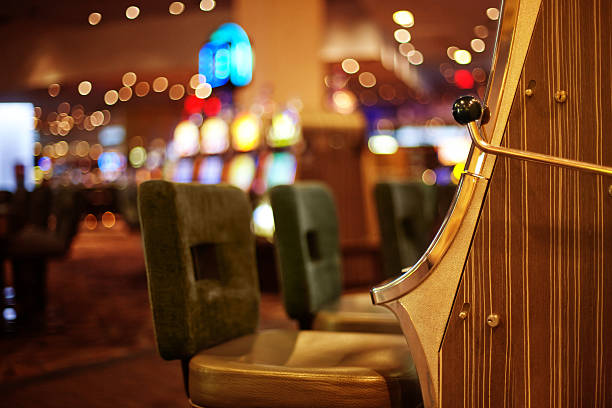
The casino environment is meticulously designed to keep players engaged and focused on gambling. Elements such as the layout of gaming tables, the positioning of slot machines, and even the choice of colors and sounds are all crafted to enhance the gambling experience. This strategic design can drastically affect player behavior, often leading to longer sessions and increased expenditure.
Moreover, social interactions within casinos—whether through competitive gaming or lively engagement at the bar—can further enhance the thrill of gambling. The presence of others can amplify emotions, making the experience more enjoyable and potentially leading to riskier betting as players seek to impress or compete with their peers.

Exploring Support for Gamblers and the Importance of Awareness
Understanding the psychological factors that drive gambling can lead to enhanced awareness and support for those who may struggle with gambling addiction. It’s crucial for players to recognize when gambling becomes detrimental and to seek help when necessary. Resources and support networks can provide guidance, helping individuals navigate their relationship with gambling while promoting responsible play.
Awareness also extends to educating casino visitors about the psychological tricks at play. By fostering an understanding of these elements, individuals can enjoy gambling responsibly, ensuring that it remains a form of entertainment rather than a source of distress.